Fan Privacy When Contacting Creators: The Ignored Half of the Problem
Fan Privacy When Contacting Creators: The Ignored Half of the Problem
The conversation about online privacy almost always centers on creators. Their DMs get leaked. Their personal information gets scraped. Their faces get deepfaked. Rightfully, the industry has rallied around creator protection.
Nobody's talking about the other side.
Every day, millions of fans, professionals, and ordinary people send messages to creators — and expose far more of themselves than they realize. Their real name. Their profile photo. Their follow history. Their city. Sometimes their employer. All handed to a stranger with a public platform and hundreds of thousands of followers, with zero meaningful privacy protection and no way to take it back.
Fan privacy when contacting creators isn't a quirk of the internet. It's a structural problem. And by most available measures, it's getting worse.
What Fans Actually Expose When They Hit Send
When you send a direct message to a creator, you're not sending a sealed note — you're handing them a dossier on yourself. Your username links to your public profile: your real name, your photo, your post history, the city or employer you listed at sign-up. On platforms like Instagram and X, mutual follows are surfaced automatically, meaning a creator can immediately map your social network. Even a private account reveals your avatar and display name from the moment the message lands.
This metadata doesn't disappear when a message gets ignored. It sits in an inbox indefinitely — sometimes accessible not just to the creator, but to their management team, agency staff, or virtual assistants who screen DMs on their behalf. The moment you send, you've disclosed. There's no recall.
For two friends messaging each other, that's fine. But when the recipient has 400,000 followers and a public platform — and the sender is a private citizen with a career, a family, and a social reputation to protect — the asymmetry tips from uncomfortable to genuinely consequential.
The Screenshot Risk No Platform Puts in Its Terms of Service
Creators screenshot and share private fan messages all the time. The practice is so normalized it has become its own content genre — and fans have almost no legal recourse. "DM fails," "unhinged messages I received," "weirdest fan DMs of the week": these are established formats on TikTok, YouTube, and Twitter/X, each capable of pulling millions of views on the back of someone else's private communication.
The person who sent that message never consented to being a character in someone else's content. Whether the message was creepy, earnest, or just a little too sincere, the sender had a reasonable expectation that the conversation would remain between two people.
In most jurisdictions, that expectation has no legal backing. Once you send a message, you lose control of it. The recipient owns their copy. They can share it, screenshot it, read it aloud to a million people — and there is essentially nothing you can do. The FTC's September 2024 report on major social platforms found that user data practices routinely leave individuals vulnerable to "reputational harm, social stigma, and emotional distress" — language that maps precisely onto the fan who sent an honest message and watched it go viral for the wrong reasons.
Why the Stakes Are Higher Than Most Fans Calculate
What professional exposure actually looks like
Take Priya, a 28-year-old UX researcher who's followed a design creator for two years. She sends a DM asking about freelance rates, using an account that lists her full name and employer. The creator shares the message publicly — not maliciously, just as a "relatable" content moment. Priya's manager sees it. Now she's explaining to HR why she was publicly discussing her salary expectations online using a company-associated profile.
This isn't a thought experiment. It's a pattern that plays out constantly, in variations across industries. Three categories of consequence recur most often:
Professional exposure. An account linked to your real name is also linked to your employer. HR departments and hiring managers increasingly scan public social footprints. A message that seemed harmless in a private window can read entirely differently out of context, attached to your name, at scale.
Social pile-ons. A creator who responds dismissively to a fan's message in public doesn't just reject one person — they signal to their audience how to treat that person. Fan communities take behavioral cues from the creators they follow. What gets framed as mockable becomes a target.
Data persistence. Deleted messages leave traces. Platform logs, screenshots, and third-party archiving tools mean something sent three years ago can still be surfaced. According to research from the Electronic Frontier Foundation, digital records are far more permanent than users expect — and social platforms retain message metadata even after the content itself is deleted.
The Structural Asymmetry Nobody Is Solving
The creator economy was built with one-sided privacy infrastructure: robust tools for creators, almost nothing for the fans who reach out to them. This isn't an accident — it reflects where the money is. Platforms and creator tools are designed to serve the people generating content, not the people consuming it.
Look at what exists for creators: verification systems that filter spam, moderation teams handling harassment reports, DM request folders so they can ignore strangers, subscription gates so only paying members can message them at all. Every one of these tools increases creator control over who can reach them and how.
Now count the equivalent tools built for fans — for the people on the other side of that conversation who want to reach someone they admire without being exposed, screenshotted, or identified against their will.
There are almost none.
The tools to fix this asymmetry exist. The will to build them at platform scale has been missing.
Encrypted, sender-anonymous communication — where the sender's identity is withheld until they choose to reveal it — would rebalance the dynamic without removing creator control. The sender decides when, and whether, they're identifiable. The creator still receives the message and still decides whether to respond. No one is exposed before consenting to the exchange.
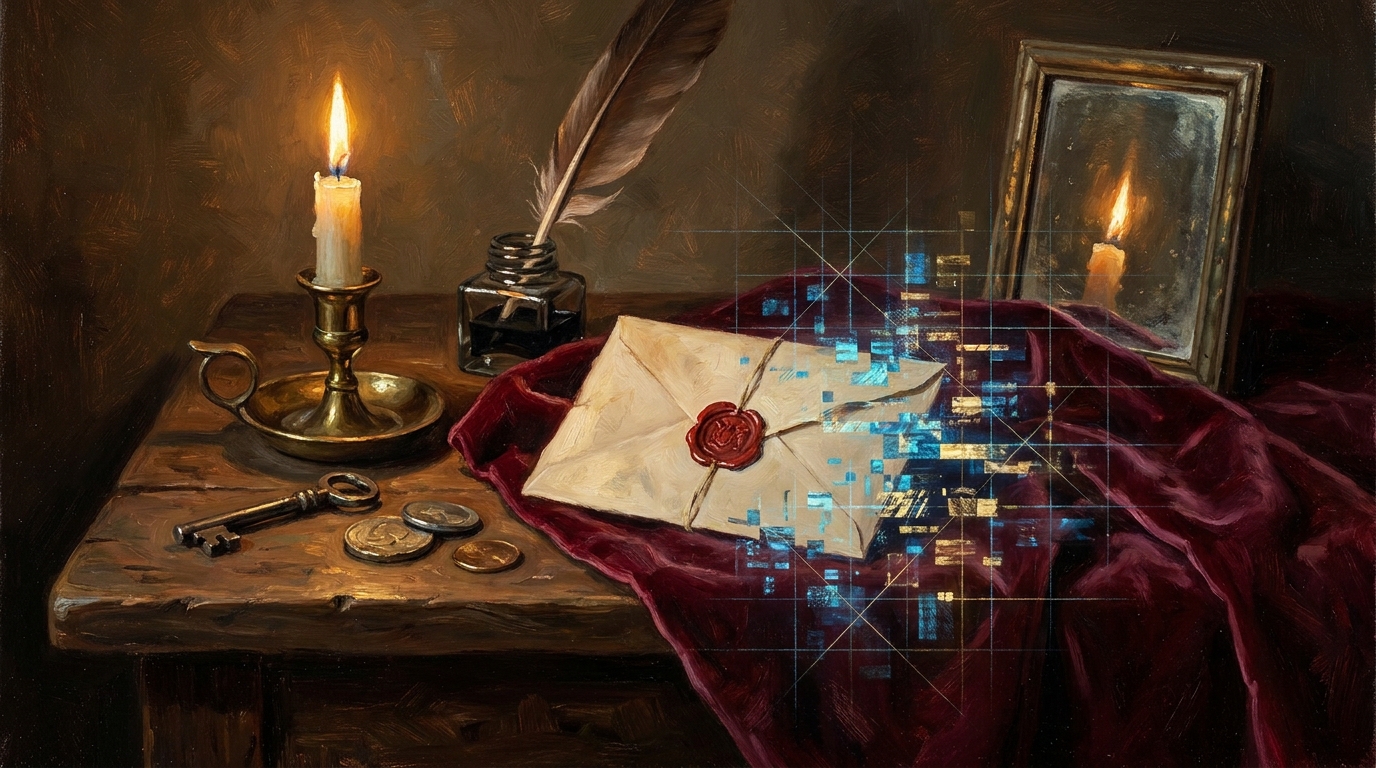
This is how sealed correspondence worked for centuries. Identity disclosure happened when the recipient opened the letter — not before, and not on the sender's behalf without their permission.
Does Anonymous Fan Messaging Enable Harassment?
The instinctive answer is yes. The evidence points the other way.
The assumption that anonymity tools primarily serve bad actors gets the pattern backwards. Most online harassment isn't anonymous — it's perpetrated by real accounts with real names attached, by people who've calculated that the social cost of cruelty is low enough to be worth it. The Anti-Defamation League's 2023 Online Hate and Harassment report found that identifiable accounts were responsible for the majority of targeted harassment incidents — not anonymous ones.
Anonymity tools, built correctly, protect the vulnerable, not the predatory.
When a fan can contact a creator with their identity protected, something shifts. A young person reaching out to a mental health creator about something deeply personal doesn't have to fear their message being screenshotted and shared. A working professional who wants to hire a creative consultant can make an inquiry without revealing their company's internal needs before they know if the creator is even interested.
The relevant question isn't "does anonymity enable bad behavior?" It's "does forced identity exposure prevent good behavior?" The data on chilling effects suggests it does. When people know their identity is attached to their words, they self-censor — often in ways that kill legitimate connection, professional opportunity, and genuine support.
Why Fans Are Already Opting Out — And What That Costs
Privacy anxiety is actively suppressing fan engagement in measurable ways. Deloitte's 2025 Connected Consumer Survey and related digital media research show Gen Z users are acutely aware of data exposure risks — and that awareness translates into behavioral caution: fewer messages sent, fewer connections initiated, fewer opportunities created.
The fans who don't reach out aren't disengaged. They're calculating risk. And that silent majority represents real losses on both sides.
A follower who would pay $100 to ask their favorite author one question doesn't ask, because asking means attaching their name and profile to a public stranger. A marketing professional who'd pay $300 to consult a creator they respect stays quiet, because reaching out means revealing their company's interest before they've confirmed the creator is even open to it. A person struggling with something personal who found genuine community in a creator's content never says so — because saying so means being known.
The creator who could have earned that revenue never finds out the opportunity existed. The fan who could have made that connection never gets to make it.
Platforms like Caprice are built explicitly around this problem: a sealed, anonymous contact model where the sender's identity stays private until the creator actively accepts their offer. The sender chooses when to engage. The creator decides whether to respond. Neither party is exposed before they've consented to the exchange. For creators who want to understand how that model works from the receiving side, Caprice's creator page outlines how sealed, anonymous offers translate into earned revenue from genuine fan interest.
The Bottom Line: Privacy Is a Two-Sided Problem
The creator economy has spent a decade solving creator privacy. It has barely started on fan privacy.
That's not just an equity issue — it's a trust infrastructure problem. When fans can't reach creators without exposing themselves, fewer fans reach out. When fewer fans reach out, the connections, commissions, and conversations that define the creator economy's real value quietly disappear.
Creators who understand this shift early — who recognize that protecting their fans is part of what makes them worth reaching out to — will build deeper, more durable relationships than any follower count can manufacture.
The DM inbox of the future doesn't need to be louder. It needs to be safer. For the people on both sides of the conversation.
For more on how the creator economy is evolving around privacy, trust, and direct fan relationships, see our manifesto on what the next version of fan connection looks like.
Ready to try Caprice?
Send your first sealed offer or start receiving them.